Reliable Service for All-Wheel Drive Systems
Subaru repair in Fayetteville for vehicles requiring specialized maintenance and diagnostic attention
Wiggs Auto Center performs comprehensive repair and maintenance services for Subaru vehicles in Fayetteville, addressing the specific mechanical and electronic systems these models require. Subaru owners need technicians familiar with symmetrical all-wheel drive configurations, horizontally opposed engine designs, and the manufacturer's unique powertrain architecture. The shop handles everything from routine oil changes and brake service to complex transmission diagnostics and engine repairs specific to Subaru's engineering approach.
Subaru vehicles use a boxer engine layout that positions cylinders horizontally rather than in a V or inline configuration, which affects how spark plugs are accessed, how head gaskets fail, and where oil leaks typically develop. The continuous all-wheel drive system in most Subaru models requires fluid changes at specific intervals and responds differently to worn components than part-time systems. Service includes diagnosing check engine lights related to oxygen sensors and catalytic converters, addressing CVT transmission concerns, and evaluating suspension components that handle the weight distribution unique to these vehicles.
Schedule a diagnostic evaluation to identify specific maintenance needs for your Subaru model.

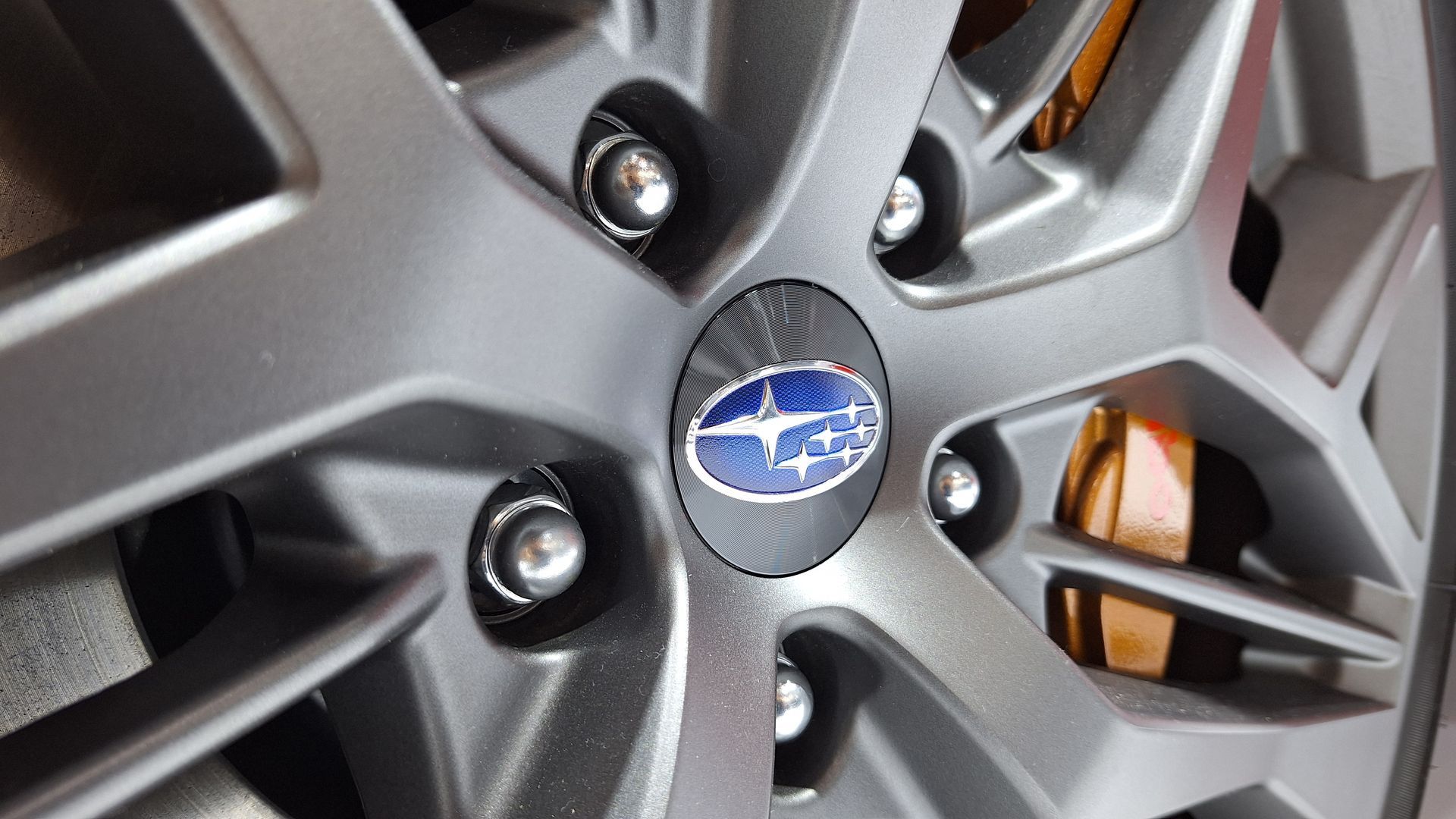
Servicing a Subaru correctly means understanding how the boxer engine's horizontal layout affects cooling system behavior, where valve cover gaskets tend to seep oil, and why head gasket failure patterns differ from traditional engine designs. Technicians inspect the all-wheel drive system for fluid condition and component wear, check the continuously variable transmission for proper operation, and evaluate whether the vehicle's computer systems are recording fault codes that haven't yet triggered warning lights.
After service, your Subaru responds more predictably during acceleration, shifts smoothly without hesitation, and maintains consistent all-wheel drive engagement without unusual noises from the drivetrain. The engine runs at proper operating temperature without overheating, oil consumption decreases if leaks have been addressed, and dashboard warning lights remain off during normal driving conditions.
The shop uses diagnostic equipment that reads Subaru-specific trouble codes and performs software updates when manufacturer bulletins require reprogramming. Service records track which maintenance intervals have been completed, what fluids were used, and when components like timing belts or spark plugs will need replacement based on mileage and age. Wiggs Auto Center sources parts that meet the specifications Subaru engineers designed these systems around, ensuring compatibility with all-wheel drive controllers and engine management computers.
What Proper Subaru Maintenance Requires
What Subaru Owners Usually Ask
Owners throughout Fayetteville bring in Subarus with questions about maintenance requirements and repair approaches specific to these vehicles.
- What makes Subaru engines different from other brands? The horizontally opposed boxer engine layout positions cylinders flat rather than upright, which lowers the center of gravity and changes how components are accessed during repairs, particularly spark plugs and head gaskets that require different procedures than V6 or inline engines.
- How often does the all-wheel drive system need fluid changes? Most Subaru models with continuous all-wheel drive require differential fluid replacement every 30,000 to 40,000 miles, though severe driving conditions like frequent towing or off-road use may shorten that interval based on how the system distributes power.
- Why do older Subarus develop head gasket leaks? The boxer engine design creates specific stress points where the head gasket seals horizontal cylinder banks, and certain model years used gasket materials that deteriorated faster than expected, leading to external oil leaks or internal coolant seepage that shows up as white exhaust smoke.
- What does CVT transmission service involve? The continuously variable transmission uses a belt and pulley system rather than traditional gears, requiring specific fluid formulations and periodic replacement to prevent slipping, shuddering, or delayed acceleration response that develops when fluid breaks down.
- When should timing belts be replaced? Subaru models with timing belts typically require replacement between 90,000 and 105,000 miles, and the job involves removing multiple engine components to access the belt, making it essential to replace water pumps and tensioners simultaneously since they're already exposed during the repair.
Wiggs Auto Center provides detailed service recommendations based on your Subaru's current mileage and maintenance history. Bring your vehicle in for a comprehensive inspection that evaluates engine performance, drivetrain operation, and system diagnostics specific to Subaru engineering.