Repair Work Built for Trail-Ready Vehicles
Jeep repair in Fayetteville for vehicles showing drivetrain wear, suspension damage, or electrical system failures
Jeep models face distinct mechanical demands due to four-wheel-drive systems, higher ground clearance, and off-road capability that subjects components to stress passenger vehicles never encounter. Wiggs Auto Center handles repair services for Jeep models throughout Fayetteville, addressing issues from transfer case malfunctions to worn suspension bushings that develop faster under trail conditions. When your Wrangler, Cherokee, Grand Cherokee, or Gladiator shows transmission hesitation, differential noise, or dashboard warning lights, the underlying cause often traces back to systems designed for both highway and off-road performance.
Repair services address drivetrain components including transfer cases that shift between two-wheel and four-wheel drive, front and rear differentials that distribute power to individual wheels, and driveshafts that transmit torque across longer spans than standard sedans. Suspension systems on Jeep models use coil springs or leaf springs depending on the model, along with control arms, sway bars, and shock absorbers that wear differently when vehicles navigate uneven terrain or carry heavy loads. Electrical systems in modern Jeep models control multiple modules from traction management to hill descent features, and failures in sensors or wiring harnesses can trigger drivetrain behavior changes that seem mechanical but require diagnostic scanning to pinpoint.
Schedule a diagnostic evaluation to identify specific component wear affecting your Jeep's performance.
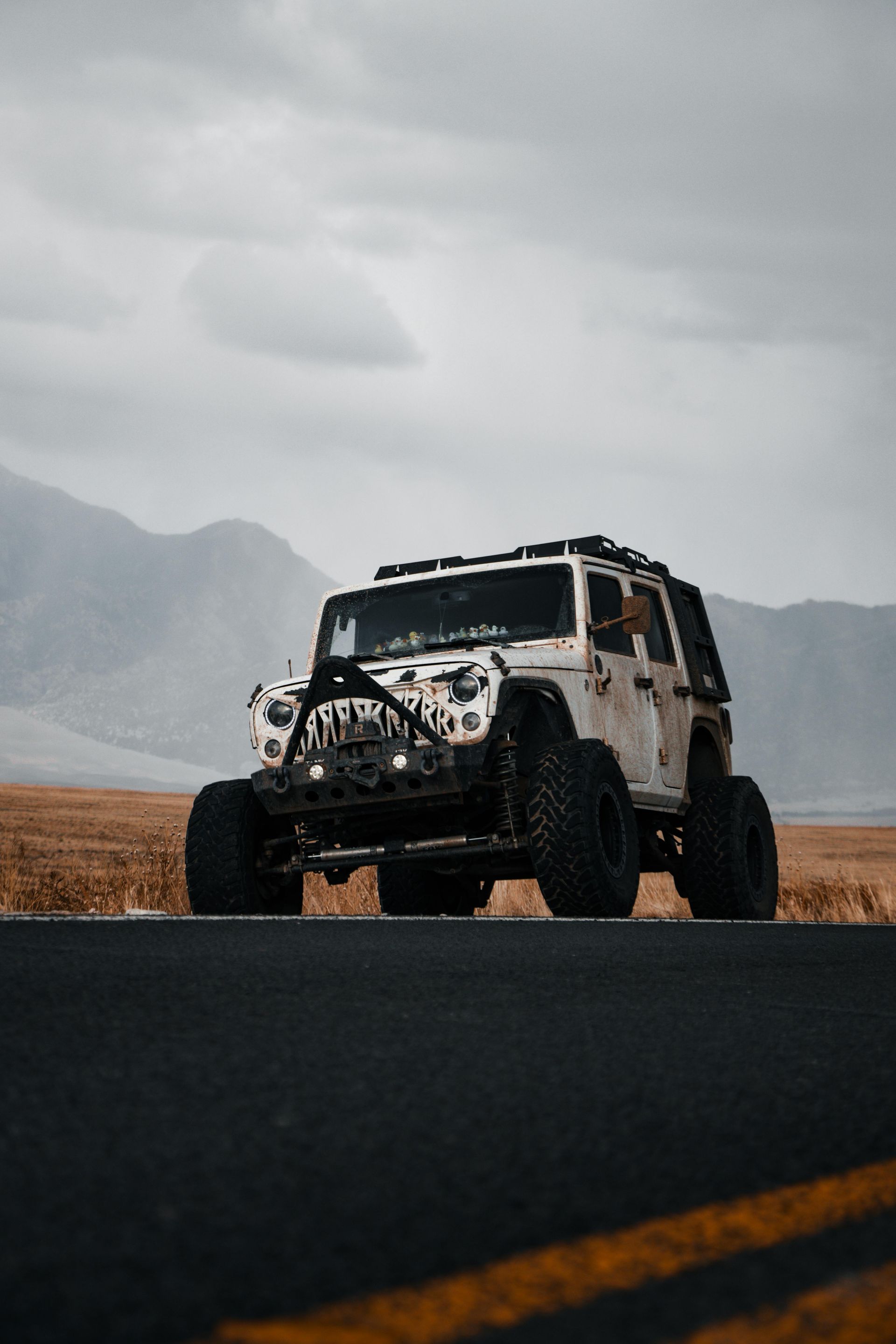
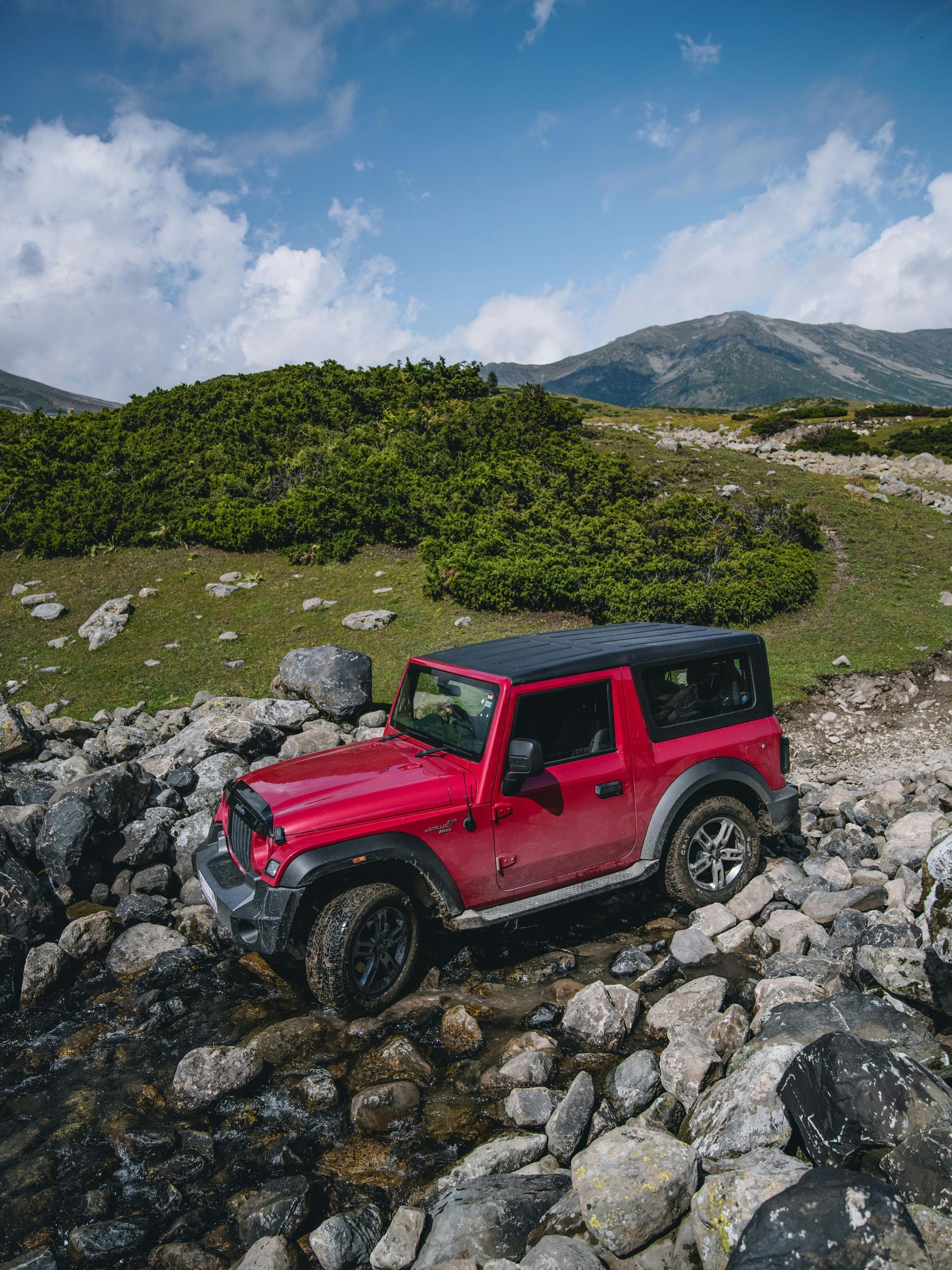
Diagnosing Jeep models starts with scan tools that read fault codes from the powertrain control module, anti-lock brake system, and electronic stability control, since these vehicles integrate mechanical and electronic systems more extensively than older four-wheel-drive trucks. Transfer case issues often show up as grinding during mode shifts or failure to engage four-wheel drive, conditions caused by worn chain drives, actuator motor failures, or low fluid levels that aren't checked during standard oil changes. Suspension inspections reveal torn control arm bushings, leaking shocks, or cracked track bar mounts—problems that develop when components designed for articulation experience repeated compression and extension cycles beyond normal road use.
Once repairs are completed, you'll notice immediate changes in how the vehicle handles: transfer case work eliminates grinding and restores smooth engagement between drive modes, differential repairs stop whining or clunking during turns, and suspension replacement removes wandering or body roll that made highway driving feel unstable. Wiggs Auto Center addresses these repairs with attention to model-specific requirements, since components vary significantly between Wrangler's solid front axle design and Grand Cherokee's independent front suspension layout.
Brake services on Jeep models account for increased rotor and pad wear caused by heavier vehicle weight and the need to control momentum on descents, while cooling system repairs address radiators and water pumps working harder under load. Engine services range from routine timing belt or chain replacement to intake manifold gasket repairs on 3.6-liter Pentastar V6 engines common across the Jeep lineup. Transmission work includes fluid services that prevent valve body wear in automatic transmissions or clutch replacement in manual transmission Wranglers still favored for trail use.
What Proper Jeep Repair Requires
Common Questions About This Service
Owners of Jeep vehicles in Fayetteville often ask about repair needs specific to models designed for both daily driving and off-road capability.
- What causes transfer case problems in Jeep models? Transfer cases fail when chain drives stretch, actuator motors burn out, or fluid breaks down from heat cycling, all conditions accelerated by frequent switching between two-wheel and four-wheel drive or extended operation in four-wheel-high on dry pavement.
- How does suspension wear differ on Jeep vehicles compared to standard SUVs? Jeep suspension components experience greater articulation ranges and impact loads, causing bushings to tear, ball joints to develop play, and track bars to crack at mounting points even when the vehicle hasn't been used off-road.
- Why do Jeep models need more frequent differential service? Four-wheel-drive systems place additional stress on front and rear differentials, and limited-slip or locking differentials require specific fluid types and service intervals shorter than standard all-wheel-drive systems found in crossover vehicles.
- When should I address electrical issues affecting drivetrain behavior? Electrical faults in wheel speed sensors, throttle position sensors, or transmission range sensors should be diagnosed immediately, since the powertrain control module may enter failsafe mode that limits power or prevents gear shifts to protect components.
- What maintenance prevents expensive Jeep repairs? Regular fluid services for the transfer case, front and rear differentials, and transmission prevent the majority of drivetrain failures, while suspension inspections catch worn components before they cause alignment damage or tire wear.
Wiggs Auto Center provides repair services for all Jeep models in Fayetteville, addressing the mechanical and electrical systems these vehicles depend on. Request a service appointment to address specific concerns with your Jeep's drivetrain, suspension, or engine performance.