Heavy-Duty Repairs for Working Trucks
RAM repair services in Fayetteville for trucks experiencing drivetrain issues, brake concerns, or routine maintenance requirements
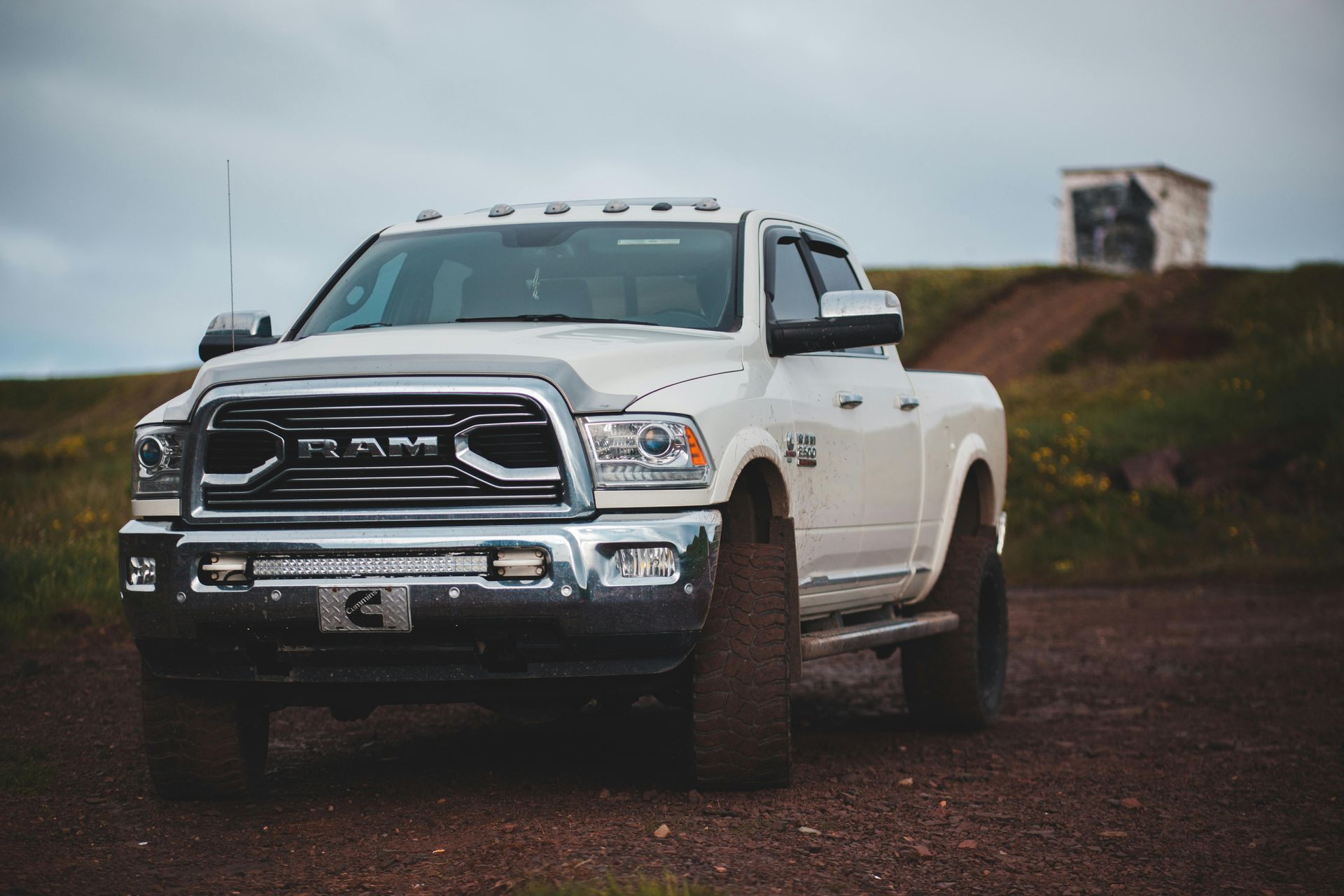
RAM trucks operate under demanding conditions that accelerate wear on suspension components, brake systems, and drivetrain assemblies compared to lighter-duty vehicles. Hauling construction materials, towing trailers, and navigating uneven terrain place stress on ball joints, leaf springs, U-joints, and transmission clutches that eventually exceed design tolerances. Wiggs Auto Center provides RAM repair services in Fayetteville, addressing everything from oil changes and brake jobs to engine overhauls and transmission rebuilds. RAM models use Cummins diesel engines or HEMI V8 gasoline powerplants that require different maintenance schedules, fluid specifications, and diagnostic approaches depending on fuel type and model year.
Repair services for RAM trucks include diesel fuel system maintenance, exhaust system repairs, four-wheel-drive diagnostics, air conditioning service, and electrical troubleshooting. The work involves measuring component wear against factory specifications, identifying which parts have reached end of service life, and applying torque settings specific to RAM chassis and powertrain configurations.
Schedule a diagnostic appointment to evaluate your RAM's current mechanical condition and identify which systems need immediate attention.
Basic RAM maintenance follows scheduled intervals for oil changes, filter replacements, and fluid checks, while comprehensive repair addresses failures in steering systems, brake hydraulics, engine internals, or electronic control modules. Diesel RAM trucks require attention to fuel filter replacement every 10,000 to 15,000 miles, diesel exhaust fluid top-offs, and regeneration cycles that burn accumulated soot from particulate filters. Gasoline models need spark plug replacement at longer intervals but may develop intake valve carbon deposits that affect idle quality and fuel economy.
After repairs are completed, your RAM will start reliably in cold weather, shift smoothly through all gears without hunting or slipping, maintain stable alignment without pulling, and deliver full braking force without fade under heavy loads. Preventive inspections catch problems like leaking axle seals, worn tie rod ends, and cracked exhaust manifolds before they cause breakdowns or damage to connected systems.
Repair decisions depend on whether your RAM operates primarily as a daily driver, weekend hauler, or commercial work truck that accumulates miles quickly under continuous load.
The Difference Between Basic Maintenance and Comprehensive Repair
Questions Before Starting Your Project
RAM owners in Fayetteville commonly ask about diesel-specific maintenance, towing-related wear, and how to extend component life under heavy use.
- What RAM repairs are most common in this area? Brake pad and rotor replacement from towing, suspension component wear from payload stress, and diesel particulate filter cleaning or replacement appear frequently on trucks used for contractor work and recreational towing.
- How do you diagnose RAM diesel engine problems? Technicians use diagnostic software to monitor fuel rail pressure, turbocharger boost levels, exhaust gas temperatures, and diesel exhaust fluid injection rates, then compare readings against expected values to isolate sensor failures, injector issues, or mechanical problems.
- What should I know about RAM transmission service? Transmission fluid and filter changes prevent clutch wear and valve body failures, and the service includes inspecting the pan for metal shavings, checking solenoid operation, and ensuring fluid levels meet specifications after refilling with ATF+4 or equivalent fluids.
- When does a RAM truck need differential service? Rear differential fluid should be changed every 30,000 to 50,000 miles, and front differential service aligns with transfer case maintenance intervals if your truck has four-wheel drive, with more frequent changes required for trucks that tow regularly.
- Why do RAM trucks develop steering and suspension issues? Heavy payloads and towing forces stress ball joints, tie rod ends, and leaf spring bushings beyond what lighter vehicles experience, causing accelerated wear that shows up as clunking sounds, uneven tire wear, or steering wander.
Wiggs Auto Center works on RAM 1500, 2500, and 3500 models with both diesel and gasoline engines, applying manufacturer repair procedures and using parts that meet original equipment specifications. Contact the shop to set up a service visit and discuss your truck's specific needs.