Service That Addresses Kia Electronic Integration
Kia repair in Fayetteville for dashboard warning lights, starting issues, or scheduled service requirements
Kia models across sedans, hatchbacks, and SUVs share electronic architecture with integrated body control modules that manage door locks, lighting circuits, and anti-theft systems through multiplexed communication networks requiring specialized scan tools to access. When your Kia displays warning messages, refuses to start, or reaches mileage-based service intervals, the vehicle needs diagnosis that identifies whether symptoms stem from failed sensors, corroded connectors, or mechanical wear in drivetrain components. Wiggs Auto Center provides Kia repair and maintenance in Fayetteville using diagnostic procedures that retrieve fault data from engine controllers, transmission modules, and safety systems to isolate problems before replacing parts.
Service procedures examine engine performance through live sensor data, inspect brake hydraulic systems for fluid contamination and component wear, and test battery charging output to verify the alternator maintains proper voltage under electrical load. North Carolina's humid conditions promote corrosion on ground connections and wiring harnesses, particularly in areas where road spray reaches underbody electrical components during wet weather driving.
Set up a diagnostic appointment to identify which systems require immediate repair versus upcoming maintenance on your Kia.
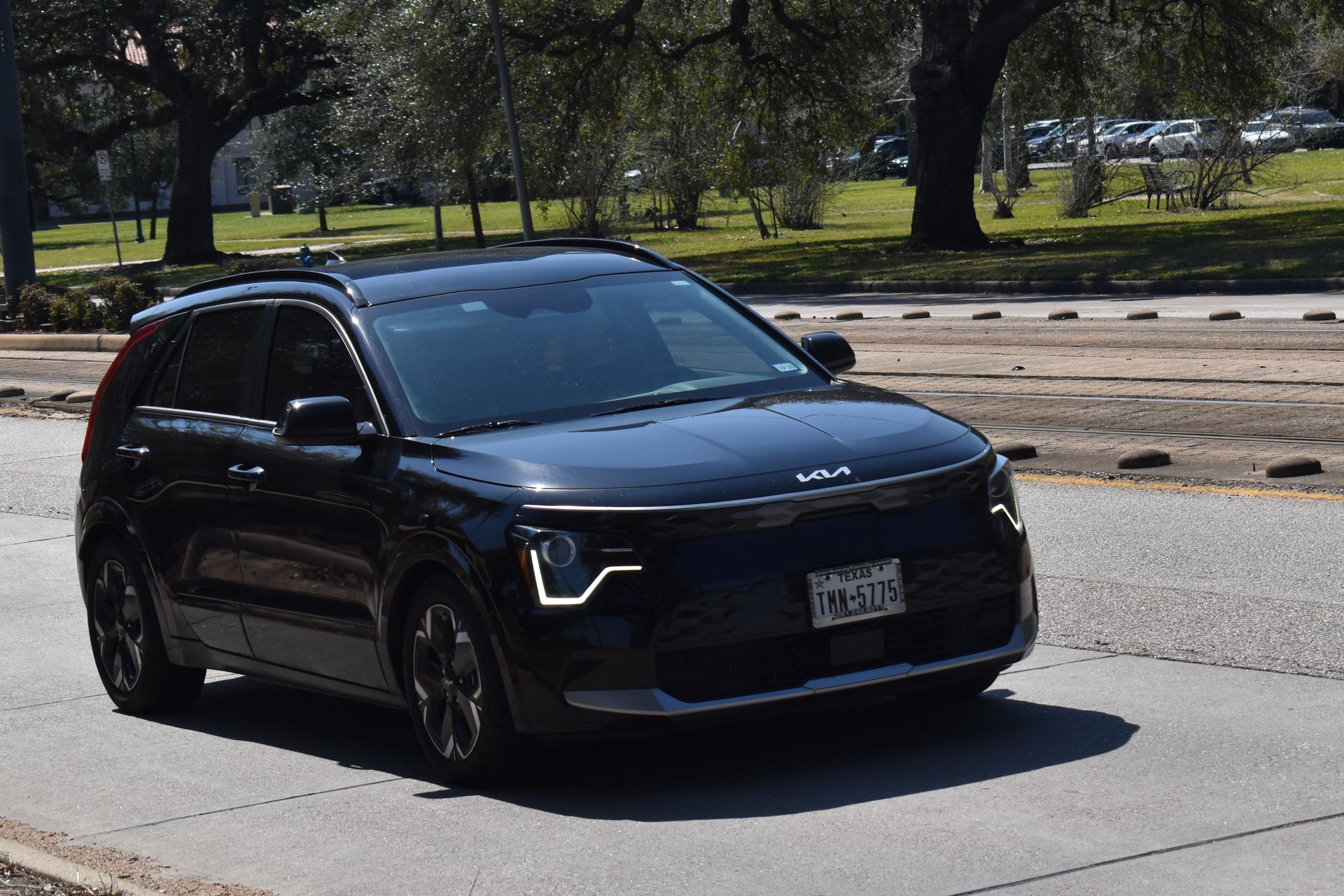
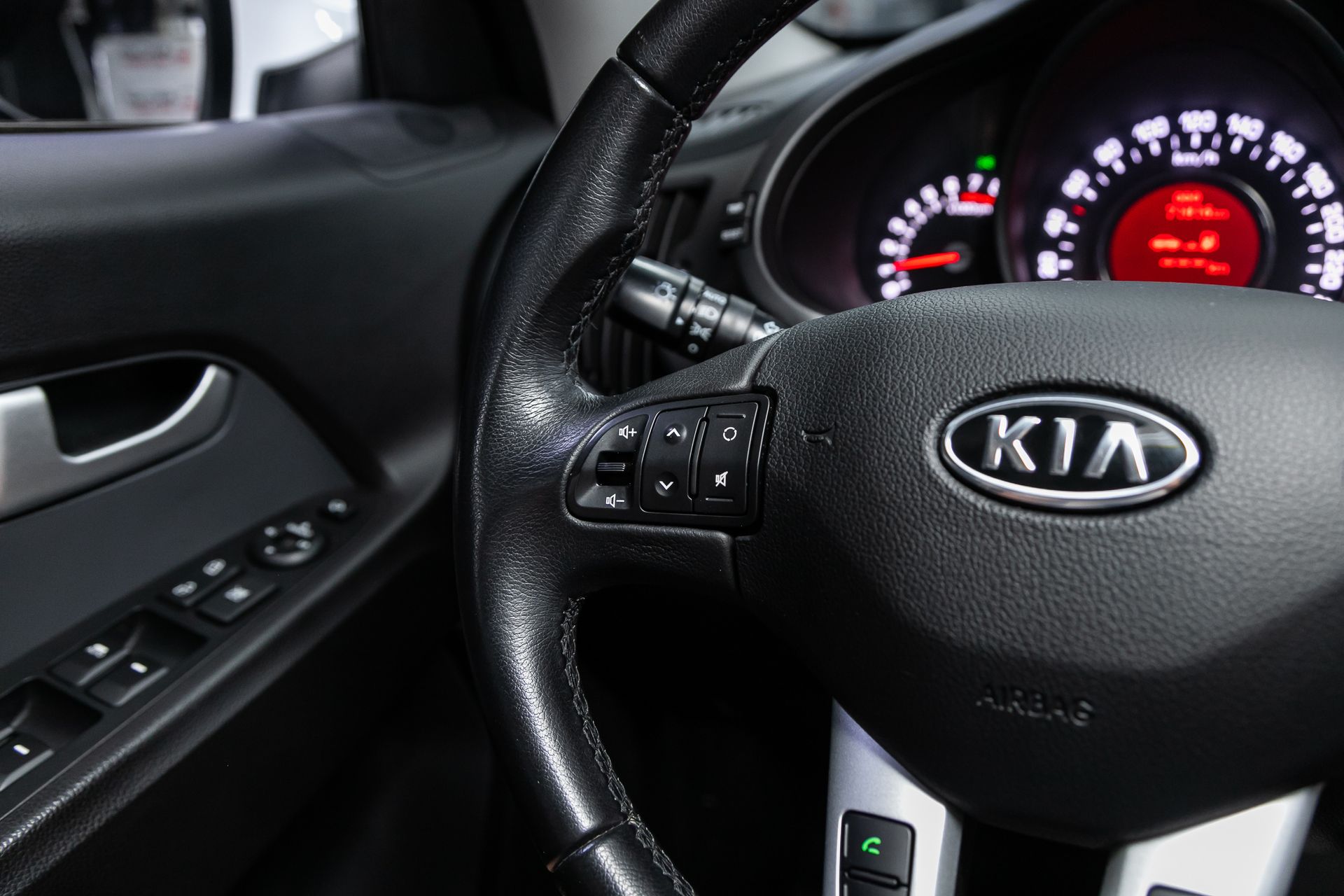
Kia service begins with comprehensive system scans that check every control module for stored trouble codes, pending faults, and freeze frame data showing vehicle conditions when errors occurred, followed by live testing where technicians monitor sensor outputs while operating the vehicle to recreate the problem. This approach distinguishes intermittent electrical faults from consistent mechanical failures, preventing unnecessary parts replacement when the issue stems from loose connections or software glitches that require resets rather than component swaps.
After service, your Kia starts immediately without extended cranking if the fuel pump or crankshaft position sensor was replaced, maintains consistent power delivery when ignition components are renewed, and operates without warning lights once the diagnosed fault is corrected and verification scans confirm no additional codes are present. The vehicle's response to acceleration becomes predictable again, and any previous hesitation, stalling, or rough running disappears once the underlying cause receives proper repair.
Kia warranty coverage often requires following specific maintenance schedules documented through authorized service providers, though independent shops can perform the same work if they use equivalent parts and document procedures correctly. Understanding what your warranty requires versus recommends helps you make informed decisions about where to service your vehicle and which maintenance items truly affect coverage versus those suggested for optimal longevity.
What Kia Service Actually Accomplishes
Common Questions About This Service
Kia owners frequently have questions about diagnostic processes and service requirements before scheduling repair appointments or maintenance work.
- What causes Kia no-start conditions even with a charged battery? No-start problems with adequate battery voltage typically indicate failed starter motor contacts, broken teeth on the flywheel ring gear, faulty neutral safety switches preventing starter engagement, or immobilizer system faults where the body control module doesn't recognize the key's security chip.
- How does Fayetteville's weather affect Kia maintenance schedules? High humidity increases moisture contamination in brake fluid and differential oil, requiring more frequent fluid replacement to prevent internal corrosion and maintain proper hydraulic function, while temperature extremes stress cooling system hoses and belts that develop cracks sooner than in milder climates.
- When should Kia direct injection engines receive carbon cleaning? Direct injection designs spray fuel directly into the combustion chamber rather than over the intake valves, so intake valves develop carbon buildup after 40,000 to 60,000 miles that requires walnut shell blasting or chemical cleaning to restore proper airflow and prevent rough idle.
- What does Kia brake pad measurement involve during inspection? Technicians measure remaining pad thickness with calipers and compare against the minimum specification stamped on the pad backing plate, typically recommending replacement when pads reach 3mm thickness to prevent rotor damage from exposed metal backing contacting the rotor surface.
- Why do Kia tire pressure monitoring sensors trigger warnings incorrectly? TPMS sensors contain batteries that last five to seven years before voltage drops below the threshold needed to transmit signals, and rapid temperature changes cause temporary pressure fluctuations that trigger warnings even when tires are properly inflated at stable temperatures.
Wiggs Auto Center provides transparent explanations of diagnostic findings and repair recommendations for Kia vehicles, including written estimates that separate necessary repairs from suggested maintenance. Reach out to schedule service or discuss specific concerns about your Kia's current operation and upcoming maintenance needs.