Repairs Designed for Hyundai Powertrain Systems
Hyundai service in Fayetteville for engine performance concerns, drivetrain noises, or maintenance indicator alerts
Hyundai vehicles require diagnostic equipment compatible with their integrated control systems, where the engine management module communicates with the transmission controller to coordinate shift timing based on throttle position and engine load in real time. Owners noticing reduced fuel economy, rough idling, or transmission delays bring their Hyundai sedans, crossovers, and SUVs to Wiggs Auto Center in Fayetteville for diagnosis and repair that addresses both immediate faults and wear-related deterioration. The shop handles mechanical repairs, electrical system troubleshooting, and scheduled maintenance across Hyundai model years from older naturally aspirated engines to newer turbocharged direct injection designs.
Service work involves testing components through live data monitoring, measuring fluid contamination levels, and inspecting physical wear on brake pads, suspension bushings, and steering linkages that affect handling precision. Fayetteville's temperature fluctuations between winter lows and summer highs cause rubber components like motor mounts and CV axle boots to crack faster than in more stable climates.
Schedule an inspection to determine which repairs address current problems and which maintenance items prevent future failures on your Hyundai.

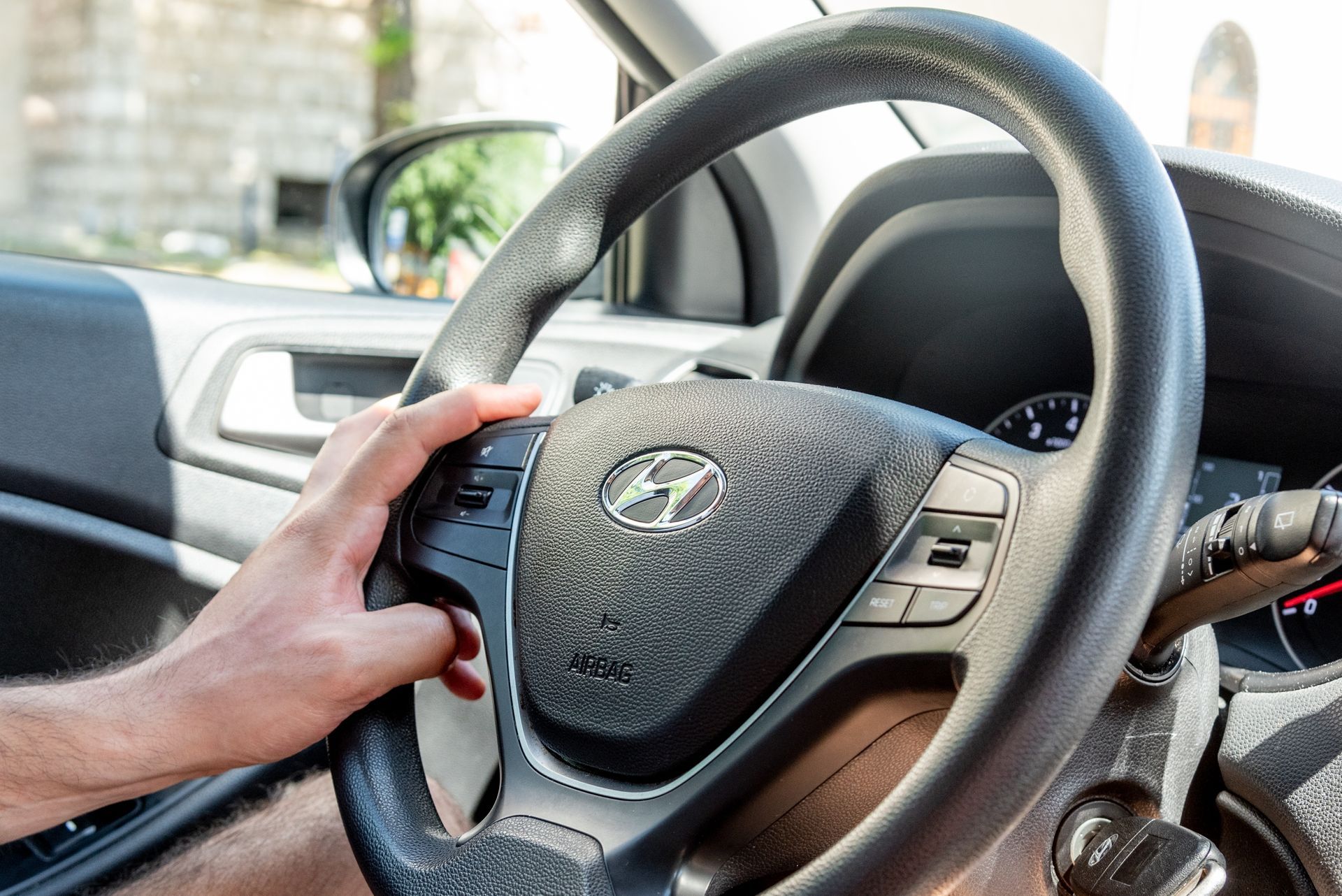
Hyundai diagnosis requires retrieving fault codes from all vehicle modules, then performing targeted tests to confirm whether the code reflects an actual component failure or a secondary symptom of another problem elsewhere in the system. Technicians measure voltage drops across circuits, test fuel pressure regulation under load, and monitor oxygen sensor switching patterns to verify the engine management system is receiving accurate data from all inputs before replacing sensors or actuators.
Once work is complete, your Hyundai idles steadily if ignition coils and spark plugs were replaced, delivers power without hesitation when the throttle body is cleaned and relearned, and maintains stable temperatures after cooling system components are serviced. Wiggs Auto Center provides before-and-after diagnostic scans showing which fault codes were active initially and confirming they no longer appear after repairs, giving you verification that the underlying issue was resolved rather than temporarily masked.
Hyundai turbocharged engines use smaller displacement with forced induction to match the power output of larger naturally aspirated engines, but this design requires more frequent oil changes because turbocharger bearings operate at extreme temperatures and speeds that degrade conventional oil faster. Using synthetic oil rated for turbocharged applications and following shortened service intervals prevents turbo failure that costs significantly more to repair than routine maintenance.
The Difference Between Diagnosis and Guessing
What Property Owners Usually Ask
Hyundai owners in Fayetteville commonly ask about service procedures and maintenance timing before committing to repair work or preventive services.
- What causes Hyundai engine knocking on startup? Low oil pressure during cold starts allows piston slap or timing chain slack to create noise until oil pressure builds, but persistent knocking can indicate bearing wear, carbon buildup on piston tops, or incorrect fuel octane for turbocharged models requiring premium gasoline.
- How do technicians diagnose Hyundai transmission shifting problems in Fayetteville? Diagnosis involves connecting a scan tool to monitor shift solenoid commands, clutch pack pressure readings, and torque converter lockup engagement while driving the vehicle, then comparing those values to factory specifications to isolate whether the fault is mechanical, hydraulic, or electronic.
- When should Hyundai timing chain inspection occur? While timing chains typically last longer than belts, they require inspection if the engine develops a rattling noise during cold starts, which indicates the chain tensioner or guides have worn and allowed excessive slack that affects valve timing accuracy.
- What does Hyundai brake service include on models with autonomous emergency braking? Brake service on vehicles with collision avoidance systems requires calibrating the forward-facing radar and camera sensors after any work that affects brake pedal feel or ABS module operation, ensuring the automatic braking function engages at the correct threshold.
- Why do Hyundai batteries discharge faster in extreme weather? Cold temperatures reduce the chemical reaction inside the battery that produces electrical current, while heat accelerates electrolyte evaporation and internal corrosion, both conditions shortening battery life compared to moderate climates where temperature stays relatively stable year-round.
Wiggs Auto Center maintains detailed service records for each Hyundai serviced, documenting repairs, maintenance performed, and technician notes on observed wear patterns that may require attention at future intervals. Contact the shop to set up a diagnostic session or maintenance appointment based on your vehicle's current needs.