Specialized Service for Nissan's Premium Brand
Infiniti repair in Fayetteville for vehicles with VQ engines and sophisticated electronic architecture
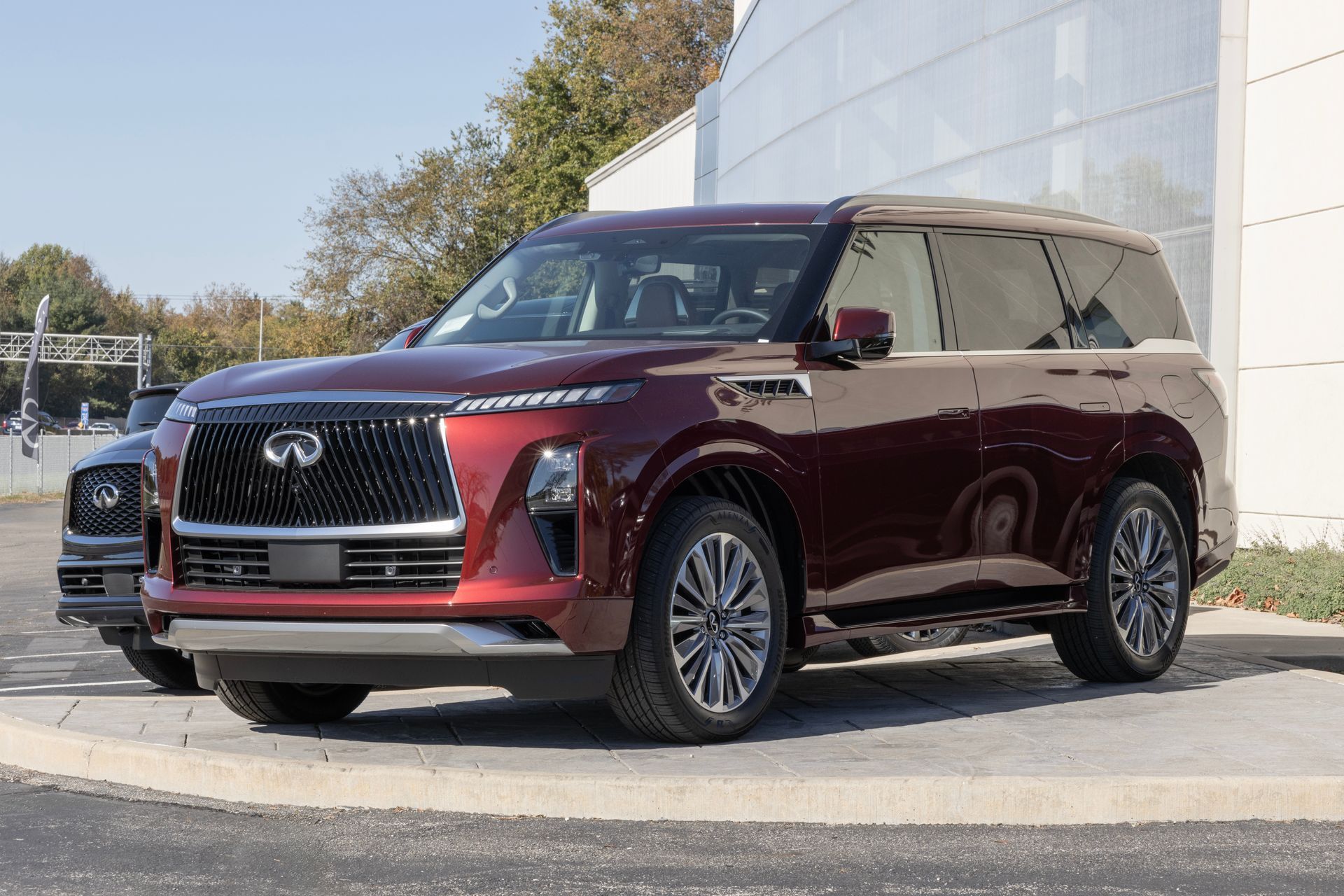
Fayetteville's humid climate accelerates corrosion in exhaust systems and suspension components, affecting Infiniti vehicles that combine performance-oriented engineering with luxury features requiring careful maintenance. Infiniti models use Nissan's proven VQ V6 engines alongside complex all-wheel drive systems, adaptive suspensions, and integrated electronic controls that need specific diagnostic capability to service correctly. Wiggs Auto Center provides comprehensive repair and maintenance for Infiniti vehicles, addressing engine performance concerns, transmission issues, brake system service, and electrical diagnostics that keep these vehicles operating as their engineers intended.
The shop works on common Infiniti problems including timing chain stretch in VQ engines that causes rattling on cold starts, continuously variable transmission shuddering during acceleration, and suspension control module failures that disable adaptive damping systems. Service includes diagnosing check engine lights related to valve timing solenoids, replacing worn steering rack components that develop leaks and cause imprecise handling, and repairing brake systems that suffer from premature rotor warping in performance models with larger, heavier wheels.
Request diagnostic testing that evaluates your Infiniti's engine, transmission, and electronic system health.
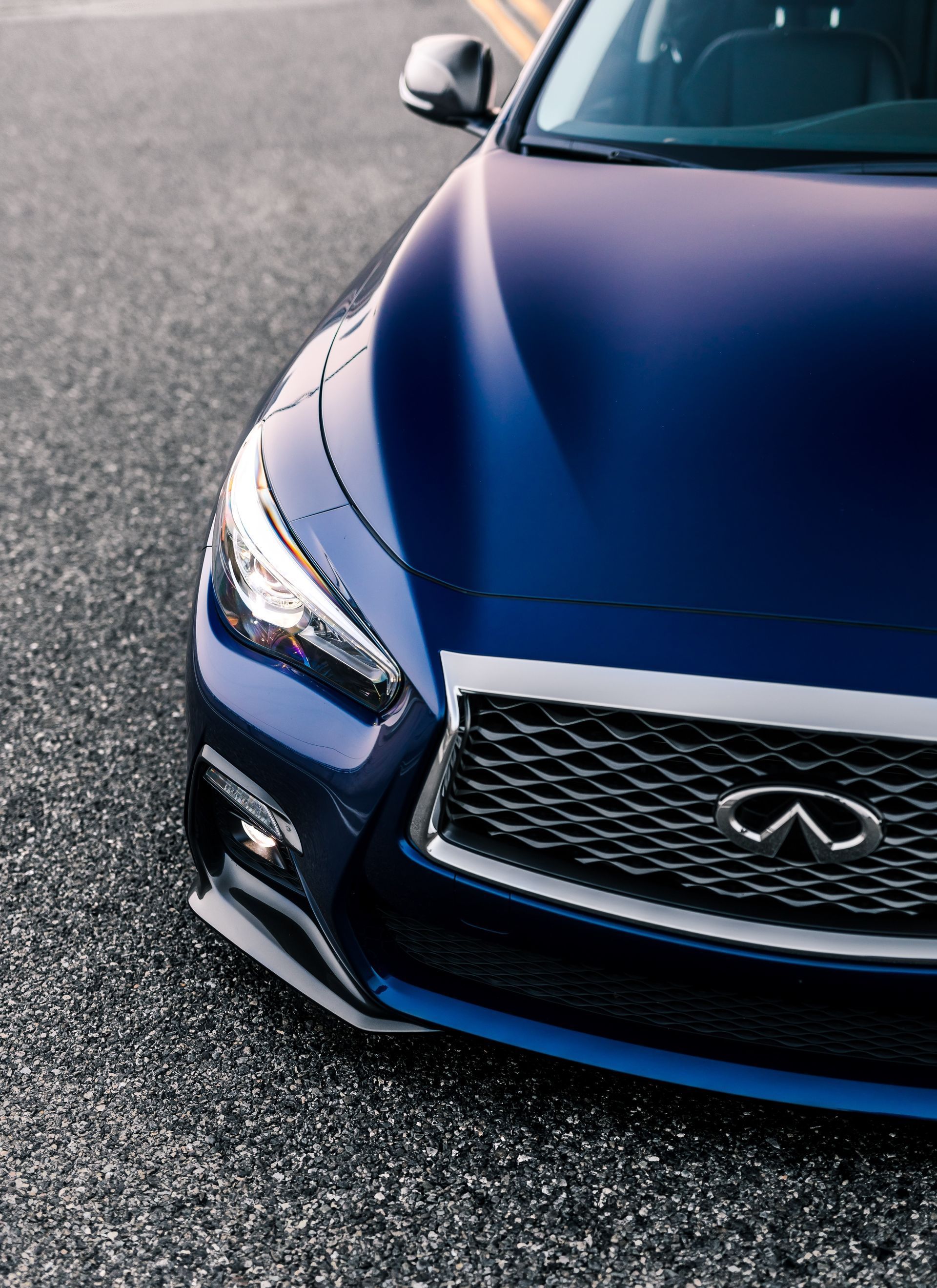
Proper Infiniti service addresses how VQ engines develop timing chain wear that affects valve timing precision, how CVT transmissions respond to fluid degradation, and why electronic modules lose communication causing multiple warning lights simultaneously. Technicians use Nissan diagnostic software that reveals specific system faults, monitors live sensor data during test drives, and programs control modules when software updates address known issues or improve system calibration.
After service completes, the engine starts quietly without timing chain rattle during the first few seconds, the CVT transmission accelerates smoothly without the shuddering or rubber-band feel that indicates worn clutch packs, and the steering responds precisely without excessive play or fluid leaks at the rack. Adaptive suspension systems adjust ride quality noticeably between comfort and sport modes, dashboard warning lights remain off during normal operation, and the vehicle maintains Infiniti's characteristic refinement during highway cruising and aggressive acceleration.
Wiggs Auto Center maintains service records showing which systems have been addressed, what fluids and parts were installed, and when upcoming maintenance intervals are due based on your driving patterns. Infiniti vehicles often require synthetic oil formulations, premium fuel to prevent knock in high-compression engines, and Nissan-specification CVT fluid that differs from universal transmission fluids. The shop sources components that meet original engineering standards rather than budget alternatives that may compromise performance or trigger fault codes in sensitive electronic systems.
What Changes After Infiniti Service Completes
What Property Owners Usually Ask
Infiniti owners in the area ask about engine longevity, transmission reliability, and maintenance requirements that differ from non-luxury brands.
- Why does my Infiniti rattle on cold starts? Timing chain stretch in VQ engines allows slack that creates rattling during the first few seconds after starting until oil pressure builds and the tensioner takes up the slack, indicating wear that will eventually require chain replacement to prevent timing system failure.
- What causes CVT shuddering? Continuously variable transmission shuddering typically indicates clutch pack wear or degraded transmission fluid that no longer provides proper friction characteristics, requiring fluid exchange with Nissan NS-3 specification fluid and potentially clutch pack replacement if damage has progressed too far.
- How often should spark plugs be replaced? Infiniti VQ engines use iridium spark plugs designed for 90,000 to 105,000 mile service intervals, but carbon buildup from direct injection or oil consumption from worn valve seals can foul plugs earlier, causing misfires and check engine lights that require earlier replacement.
- What maintenance does all-wheel drive require? Infiniti's ATTESA all-wheel drive system uses transfer case fluid that should be replaced every 30,000 miles to prevent clutch pack wear, and the system requires periodic inspection of the electromagnetic coupling that engages front-wheel drive during slippery conditions.
- When do brake rotors need replacement? Infiniti's performance-oriented brake systems use larger rotors that dissipate heat effectively but warp if exposed to sudden cooling after heavy braking, such as driving through puddles after mountain descents, requiring rotor replacement when thickness measurements fall below minimum specifications or visible warping causes pedal pulsation.
Wiggs Auto Center provides detailed service estimates after diagnostic evaluation reveals which systems need immediate attention versus routine maintenance. Bring your Infiniti in for comprehensive inspection that identifies current issues and helps plan upcoming service requirements based on mileage and component condition.