
Expert Care for Honda's Performance Division
Acura repair in Fayetteville for vehicles combining reliability engineering with sport-oriented performance
Acura models share core engineering with Honda vehicles but add performance-tuned suspensions, more sophisticated drivetrains, and additional electronic features that require specific diagnostic approaches and repair procedures. Wiggs Auto Center services all Acura models in Fayetteville, addressing everything from Super Handling All-Wheel Drive system repairs and VTEC engine diagnostics to transmission issues and electrical system troubleshooting. The shop handles both routine maintenance like oil changes and brake service alongside complex repairs involving timing belts, hybrid systems, and advanced driver assistance technology.
Acura's SH-AWD system actively distributes power between rear wheels during cornering, using electromagnetic clutches and planetary gearsets that require specific fluid and periodic inspection for wear patterns that don't appear in simpler all-wheel drive designs. VTEC engines switch between low-RPM economy mode and high-RPM performance mode using variable valve timing mechanisms that can develop oil pressure issues, solenoid failures, or timing chain stretch. The shop diagnoses check engine lights, evaluates transmission fluid condition, and addresses common Acura problems like power steering pump noise, worn suspension bushings, and prematurely aging interior electronics.
Schedule a property evaluation to identify specific concerns with your Acura's current performance.
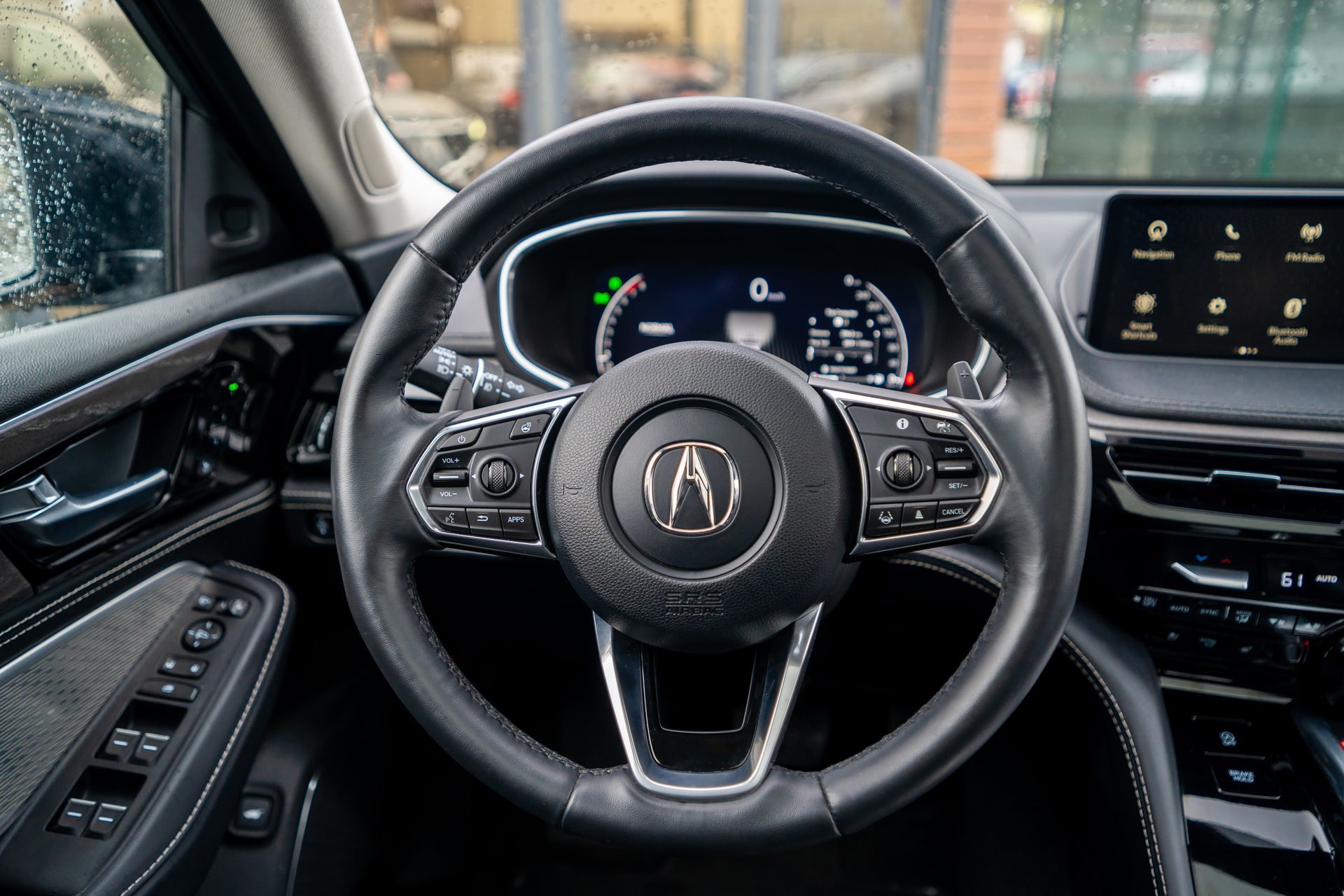
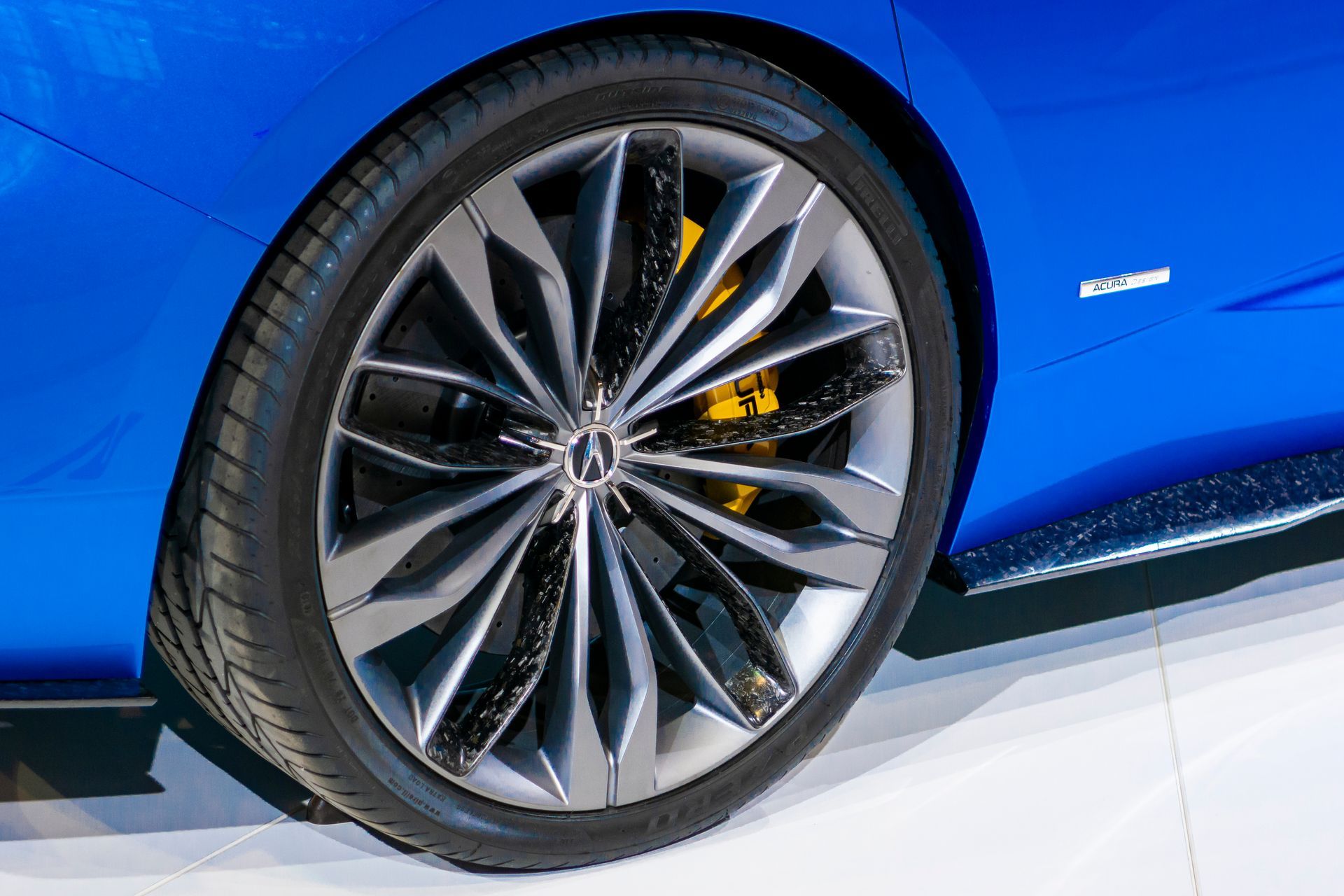
Working on an Acura correctly means understanding how Honda's performance division calibrates systems differently than mainstream models, why certain components wear faster under sport-tuned settings, and what diagnostic data reveals about system health before complete failure occurs. Technicians monitor how the SH-AWD system engages rear axle clutches, test whether VTEC solenoids activate at proper RPM thresholds, and verify that transmission adaptive learning hasn't compensated so far for clutch wear that shift quality has degraded without triggering fault codes.
After repairs, your Acura accelerates smoothly through VTEC engagement without hesitation or flat spots, the all-wheel drive system distributes power seamlessly during acceleration and cornering without clunking from the rear differential, and the transmission shifts crisply at appropriate points without slipping or flaring between gears. The steering system operates quietly without whining from the power steering pump, and suspension components handle bumps firmly without excessive harshness or rattling from worn mounts.
Wiggs Auto Center uses scan tools that access Acura's proprietary control modules and read live data streams showing exactly how systems are performing compared to factory specifications. Service includes replacing timing belts before they fail catastrophically, addressing oil leaks from valve cover gaskets before they contaminate spark plug wells, and replacing worn suspension components that affect the precise handling characteristics Acura engineers designed into these vehicles.
The Difference Between Standard and Performance-Grade Service
Questions Before Starting Your Project
Owners bringing Acura vehicles to shops in Fayetteville want clarity about maintenance intervals, repair complexity, and performance system requirements.
- What is SH-AWD and how does it differ from regular all-wheel drive? Super Handling All-Wheel Drive uses rear differential clutch packs that can send up to seventy percent of power to a single rear wheel during cornering, improving handling but requiring specialized fluid and generating more heat than passive all-wheel drive systems that simply split power front to rear.
- When should the timing belt be replaced? Most Acura models with timing belts require replacement at 90,000 to 105,000 miles, and because the job requires removing the front engine accessories and covers, it's essential to replace the water pump, tensioners, and drive belts simultaneously since labor cost dominates parts cost.
- Why does VTEC engagement feel rough? Rough VTEC transition indicates oil pressure issues from clogged screens in the solenoid assembly, worn timing chain that affects valve timing precision, or degraded engine oil that can't maintain proper hydraulic pressure when the system switches between cam profiles at 5,000 RPM.
- How often does transmission fluid need changing? Acura recommends transmission fluid replacement every 30,000 miles for severe service or 60,000 miles for normal driving, using Honda's proprietary DW-1 fluid formulation that maintains precise clutch pack engagement and valve body operation in these closely-toleranced transmissions.
- What causes excessive brake dust on Acura wheels? Acura uses semi-metallic brake pads that provide strong stopping power and fade resistance but generate more dust than ceramic pads, leaving dark residue on wheels that requires regular cleaning but indicates normal brake system operation rather than a problem requiring repair.
Wiggs Auto Center evaluates your Acura's maintenance history and current symptoms to recommend repairs that address actual problems rather than unnecessary services. Contact the shop to discuss diagnostic testing and repair options specific to your model and driving conditions.