Services Built for Truck Longevity
GMC repair services in Fayetteville for trucks and SUVs requiring maintenance, diagnostics, or component replacement
GMC Sierra and Terrain owners notice when towing capacity decreases, fuel economy drops unexpectedly, or handling changes during highway driving. These symptoms point to underlying issues with engine timing, transmission clutch wear, suspension sag, or tire alignment that affect both performance and safety. Wiggs Auto Center addresses GMC repair needs in Fayetteville by evaluating drivetrain systems, brake assemblies, steering components, and electrical networks that control everything from throttle response to trailer brake integration. GMC models share platform architecture with other General Motors trucks but use specific calibration settings and optional equipment that change repair approaches.
GMC repair services cover engine tune-ups, transmission servicing, differential fluid changes, brake replacements, suspension rebuilds, electrical diagnostics, and cooling system overhauls. Repairs address both routine wear items like brake pads and filters, plus failure-prone components including water pumps, wheel bearings, and exhaust gas recirculation valves that degrade predictably based on mileage and operating conditions.
Request a comprehensive vehicle evaluation to identify which maintenance items are due and which systems show early signs of wear.

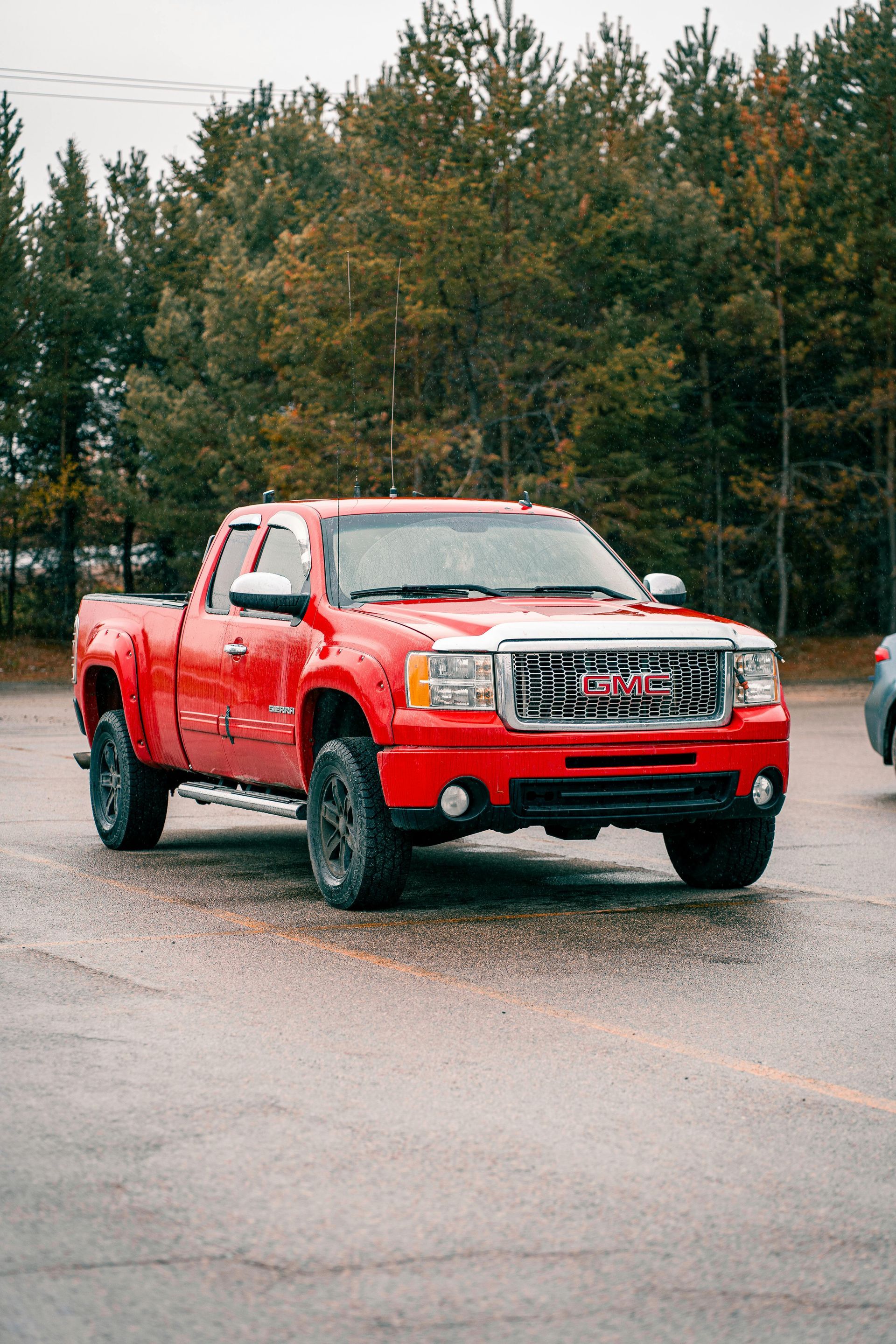
GMC trucks require service protocols that account for payload ratings, towing frequency, and four-wheel-drive systems that introduce additional lubrication points and wear surfaces. Technicians inspect U-joints for play, measure brake rotor runout, test alternator output under load, and evaluate whether transmission shift patterns match factory specifications. Diesel models require additional attention to fuel filtration, glow plug operation, and diesel exhaust fluid systems that gasoline engines don't use.
After completing service, your GMC will deliver consistent power under acceleration, maintain proper ride height without sagging under load, stop with even brake force across all wheels, and operate cooling fans at appropriate temperatures without overheating during towing. Routine maintenance intervals prevent problems like timing chain stretch, catalytic converter failure, and power steering fluid breakdown that lead to expensive repairs when ignored.
Service complexity increases when GMC trucks include integrated trailer brake controllers, adjustable suspension systems, or advanced driver assistance features that require calibration after windshield replacement or sensor adjustments.
What GMC Service Actually Accomplishes
What Property Owners Usually Ask
Questions about GMC service often focus on maintenance schedules, repair costs, and how to address specific performance issues that develop over time.
- What GMC systems require the most frequent attention? Brake systems wear faster when towing, transmission fluid degrades under load cycling, and air filters clog quickly in dusty conditions common around Fayetteville construction zones and rural roads.
- How do you approach GMC transmission problems? Diagnosis starts with scanning for stored trouble codes, reading line pressure values, monitoring shift timing with a scan tool, and performing fluid analysis to check for metal particles or burnt odor that indicate internal clutch damage.
- What does a complete GMC tune-up include? The service covers spark plug replacement, ignition coil testing, fuel injector cleaning, throttle body service, air filter replacement, and inspecting plug wires or coil boots for carbon tracking that causes misfires.
- When should suspension components be replaced on a GMC truck? Ball joints, tie rod ends, and shock absorbers typically need replacement between 70,000 and 100,000 miles depending on load history, but inspections should happen earlier if you notice tire cupping, steering wander, or clunking over bumps.
- Why does GMC recommend specific coolant types? Dex-Cool and other extended-life coolants use organic acid technology formulated to prevent corrosion in aluminum engine blocks and cylinder heads, and mixing coolant types can cause additive precipitation that clogs heater cores and radiator passages.
Wiggs Auto Center handles GMC repair and maintenance with equipment designed for General Motors diagnostic systems and familiarity with common failure points across Sierra, Canyon, Acadia, and Terrain model lines. Book a service appointment to address current issues and plan upcoming maintenance..